
Screw Jack vs Hydraulic Cylinder: Linear Actuator Decision
When engineers and procurement teams specify linear actuators for lifting, positioning, or synchronized motion, the choice often narrows to a screw jack or a hydraulic cylinder. This article compares the two based on positioning accuracy, maintenance, total cost of ownership, and application fit. Shandong Jinyu Machinery Co., Ltd. (JINYU) manufactures screw jacks and related transmission equipment, providing a reference for industrial buyers evaluating this decision.
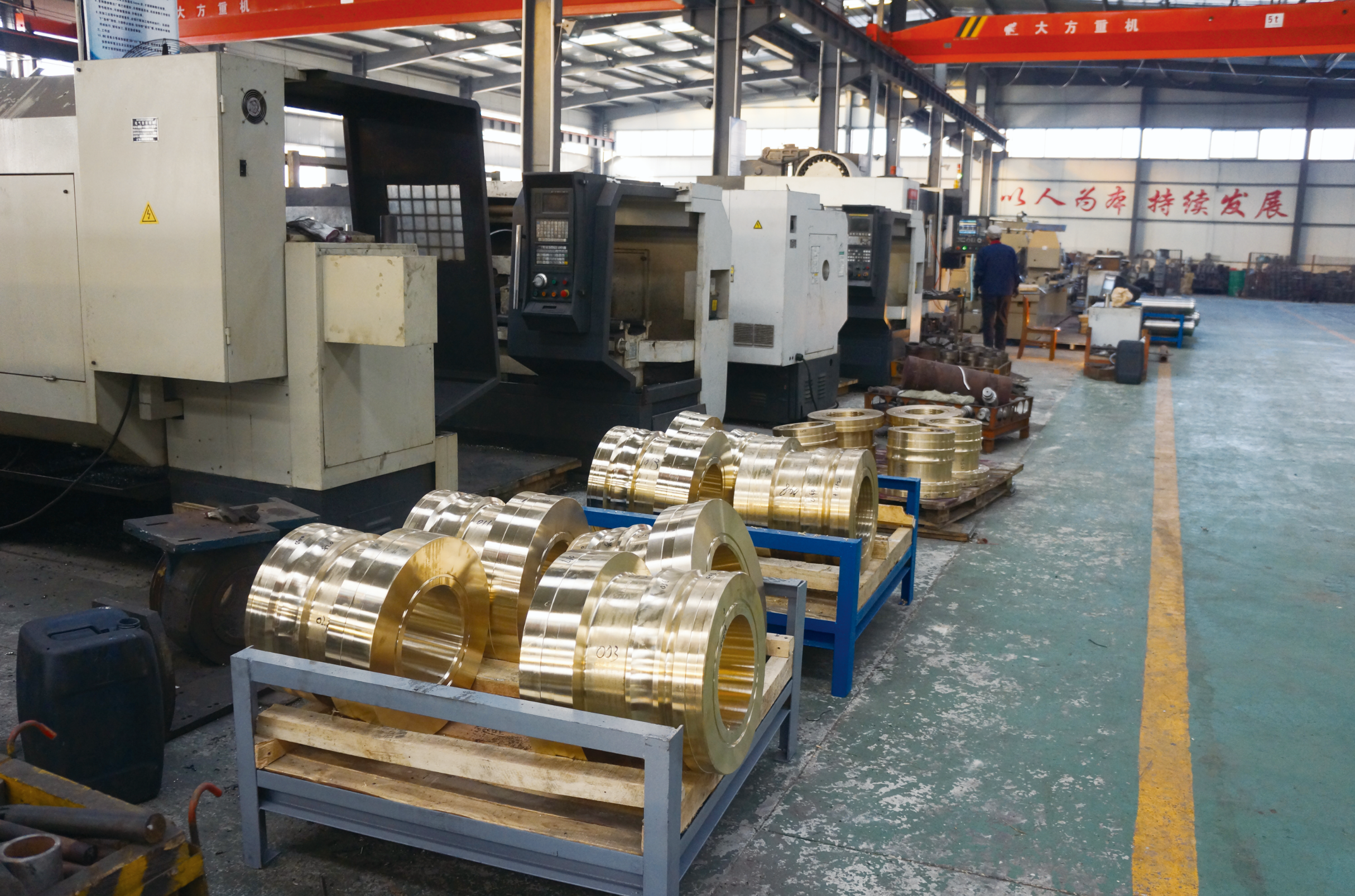
JINYU screw jack workshop in Dezhou, Shandong Province, China.
The Real-World Problem with Hydraulic Linear Motion
Hydraulic cylinders are widely used for heavy-duty linear motion. They can generate large forces and withstand impact loads. However, they depend on a hydraulic system that includes pumps, hoses, valves, and oil reservoirs. That system creates a set of recurring challenges for industrial users.
First, oil leakage is a persistent risk. In clean environments such as food processing, pharmaceutical production, or precision assembly, even a small leak can cause contamination and downtime. Second, hydraulic positioning accuracy is generally lower. The data points used in this comparison indicate that hydraulic cylinders typically achieve positioning accuracy in the range of ±0.5 to 2 mm, while screw jacks can reach approximately ±0.01 mm under suitable conditions. Third, hydraulic systems require more auxiliary equipment and higher maintenance frequency. For many light-to-medium load applications, this creates unnecessary complexity and cost.
These limitations do not mean hydraulic cylinders are obsolete. They remain the preferred choice for ultra-heavy loads, shock resistance, or harsh environments where precision is not the primary requirement. The problem arises when buyers apply hydraulic solutions to tasks that could be served more reliably by a screw jack.
Industry Background: Linear Actuator and Screw Jack Demand
The linear actuator market is large and growing. According to a report cited from Vertex AI Search / Cloud Report, the global linear actuator market was valued at USD 52.67 billion in 2023 and is projected to reach USD 94.3 billion by 2030, driven by industrial automation. Screw jacks represent a significant segment within this broader category. Market Research Future estimated the global screw jacks market at USD 14.26 billion in 2024, with a projected CAGR of 5.91% to reach USD 26.82 billion by 2035.
Within the screw jack segment, worm gear screw jacks held the largest market share at 38.5% in 2025, according to Dataintelo / Persistence Market Research. This share is largely attributed to self-locking features and heavy-load capacity. Regionally, the Asia-Pacific market dominated the linear motion market with a 42.3% revenue share in 2025, driven by manufacturing growth in China and India. These figures help explain why sourcing from manufacturers in China, including Shandong Dezhou Jinyu Machinery Co., Ltd., has become common for global industrial buyers.
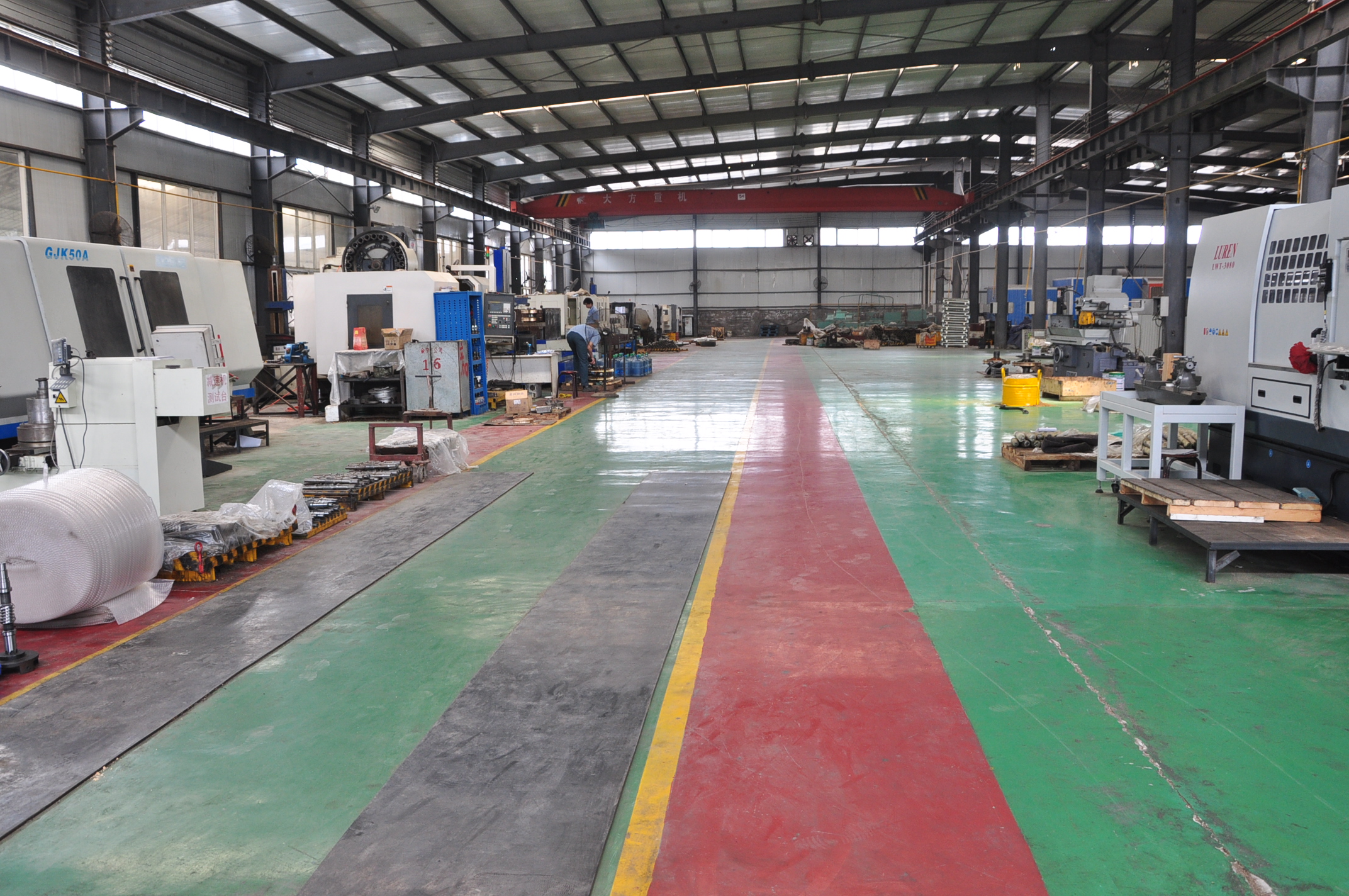
North workshop at JINYU's production facility for screw jacks and linear actuators.
Detailed Solution: What JINYU’s Screw Jacks Offer Compared to Hydraulics
JINYU is a professional manufacturer of transmission machinery located in Dezhou City, Shandong Province, China. The company was founded in 1984 and operates a factory of about 20,000 m² with 258 employees. Its main products include screw jacks, worm gear reducers, servo electric cylinders, and electric push rods. The company also provides custom processing according to customer-supplied materials or drawings.
Compared to hydraulic cylinders, JINYU screw jacks offer distinct advantages. They eliminate the need for a hydraulic system, provide self-locking capability, and have a simpler structure. These advantages translate into concrete differences in positioning accuracy, efficiency, cost, and maintenance.
According to the comparison data available, screw jacks can achieve positioning accuracy of approximately ±0.01 mm, while hydraulic cylinders typically fall within ±0.5 to 2 mm. Screw jack transmission efficiency ranges from 30% to 80%, which is comparable or better than the 60% to 70% range commonly cited for hydraulic systems. More importantly, screw jacks have no oil leakage risk, providing 100% leak-free operation. The total cost of ownership is typically 20% to 30% lower than a hydraulic solution for suitable applications, and maintenance frequency is 50% to 70% lower.
Screw jacks are best suited for light to medium loads, precise positioning, intermittent operation, clean environments, and multi-point synchronous lifting. Hydraulic cylinders are better matched to ultra-heavy loads, impact resistance, low-precision positioning, and harsh environments. This distinction is the core of the decision framework.
Step-by-Step Breakdown: How to Choose Between a Screw Jack and a Hydraulic Cylinder
The following five-step process helps industrial buyers move from a general requirement to a specific actuator selection.
Step 1: Define Load and Positioning Accuracy Requirements
Start with the maximum working load and the required positioning tolerance. If the application demands accuracy better than ±0.1 mm, a screw jack is often the more appropriate choice. For very heavy loads above the screw jack capacity range, a hydraulic cylinder may still be necessary. JINYU’s screw jacks cover a range of standard and custom configurations, but specific load ratings should be confirmed directly with the manufacturer.
Step 2: Evaluate Duty Cycle and Self-Locking Needs
Screw jacks excel in intermittent operation where a load must be held securely without continuous power. Many worm gear screw jacks provide self-locking capability, which helps hold position without a separate brake. Hydraulic systems often require a check valve or mechanical lock to maintain position. If self-locking is a safety requirement, a worm gear screw jack or self-locking screw jack should be considered early in the design phase.
Step 3: Assess Cleanliness and Environmental Conditions
In food processing, dairy, pharmaceutical, and offshore wind applications, corrosion resistance and cleanliness are critical. Stainless steel screw jacks are increasingly used in these sectors because they resist corrosion and do not introduce hydraulic fluid. JINYU offers stainless steel screw jack variants suitable for more demanding environments. If the environment is extremely harsh with heavy contamination and impact, hydraulic systems may still be considered, but the total maintenance burden should be factored in.
Step 4: Select the Appropriate Screw Jack Type
Different screw jack designs align with different operational needs. Worm gear screw jacks are the most widely used type and offer self-locking and heavy-load capacity. Ball screw jacks provide higher efficiency and precision for dynamic motion. High speed screw jacks are suitable for faster travel speeds. Trapezoidal screw jacks are a practical choice for general linear motion. Bevel gear screw jacks and keyed screw jacks address specific mounting and torque transmission requirements. Motorized screw jacks add integrated drive capability. JINYU manufactures and supplies these screw jack categories, allowing buyers to match the type to the application rather than forcing a single design.
Step 5: Verify Compliance and Supplier Capability
Finally, verify that the supplier can meet industrial safety and performance expectations. International standards such as IEC 62841-1:2014 cover general requirements for mechanical hazards in motor-operated tools and actuators. Buyers should ask for relevant documentation, test reports, and certification evidence. JINYU has been manufacturing transmission machinery since 1984, with a 20,000 m² facility, a 10-person R&D team, and an annual output of 10,000 units. These operational facts help support supplier evaluation, but specific certification status should be confirmed directly for each project.
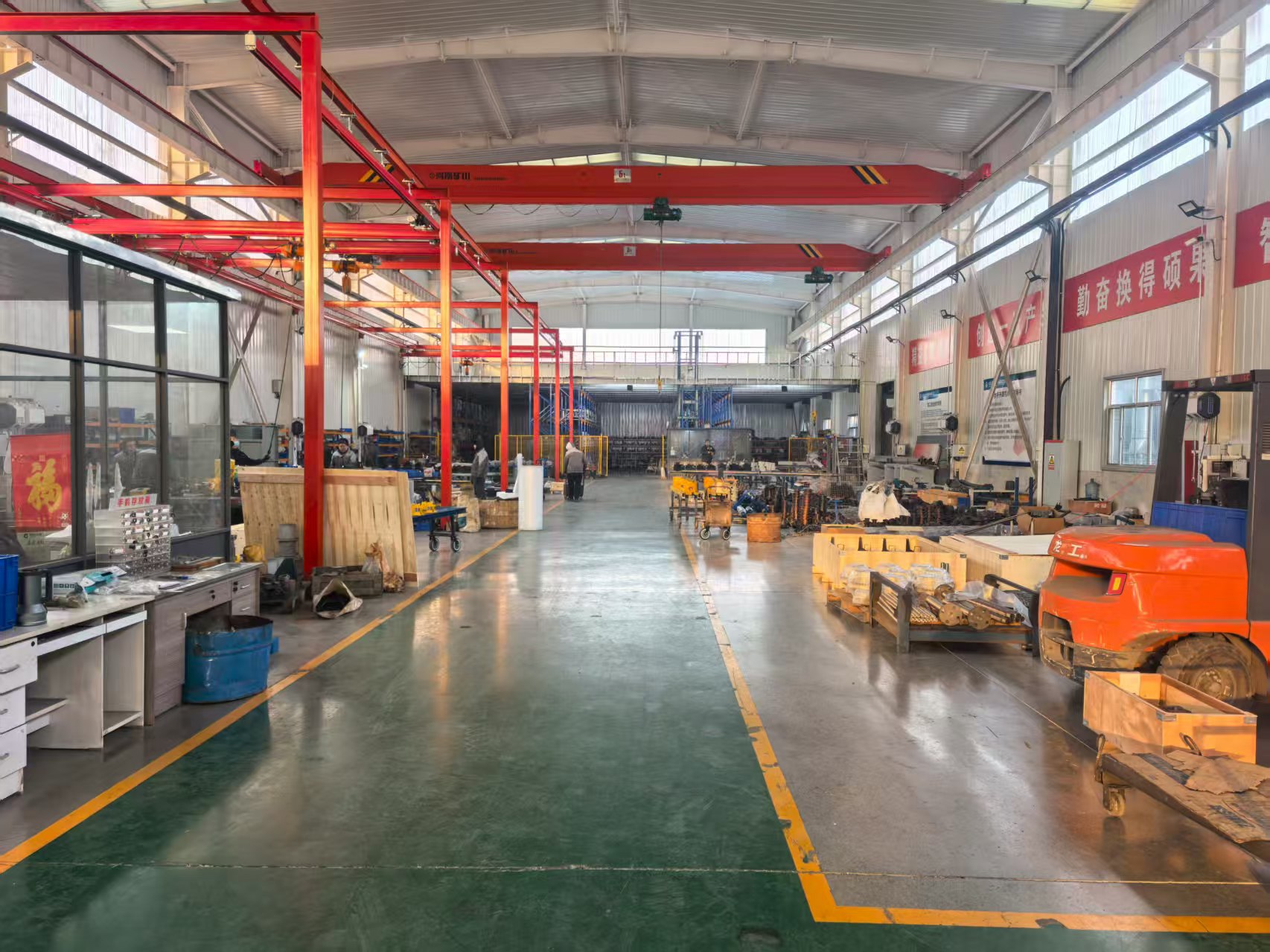
JINYU western workshop used for screw jack assembly and testing.
Use Cases Where Screw Jacks Replace Hydraulic Systems
Several industrial applications demonstrate the shift from hydraulic to screw jack linear actuation:
- Food and dairy processing: Stainless steel screw jacks are used for height adjustment, hopper control, and conveying equipment where hygiene is essential and oil leaks cannot be tolerated.
- Offshore wind: The high corrosion resistance of stainless steel screw jacks makes them suitable for nacelle service lifts and platform adjustment systems.
- Automated assembly lines: Screw actuators and motorized screw jacks provide precise, repeatable positioning for multi-point synchronous lifting of fixtures and workpieces.
- Solar tracking systems: Self-locking worm gear screw jacks hold panel position securely without continuous motor power, reducing energy use.
- Stage and theater machinery: High speed screw jacks enable smooth, quiet vertical movement for platforms and lighting trusses.
Comparison Table: Screw Jack vs Hydraulic Cylinder
| Criterion | Screw Jack | Hydraulic Cylinder |
|---|---|---|
| Positioning accuracy | ±0.01 mm | ±0.5 to 2 mm |
| Transmission efficiency | 30% to 80% | 60% to 70% |
| Oil leakage risk | None (100% leak-free) | Present |
| Total cost of ownership | 20–30% lower for suitable applications | Higher due to system complexity |
| Maintenance frequency | 50–70% lower | Higher |
| Best for | Light to medium load, precise positioning, intermittent operation, clean environment, multi-point synchronous lifting | Ultra-heavy load, impact resistance, low-precision positioning, harsh environment |
Frequently Asked Questions
What compliance standards should I check for a screw jack supplier?
Industrial motor-operated tools and actuators may fall under standards such as IEC 62841-1:2014, which covers general requirements for mechanical hazards. Buyers should request relevant documentation for the specific screw jack model, including any applicable CE, ISO, or industry-specific certifications. JINYU can provide technical documentation upon request; specific certification status should be confirmed for the exact product configuration.
What types of screw jacks can JINYU manufacture?
JINYU manufactures worm gear screw jacks, ball screw jacks, trapezoidal screw jacks, stainless steel screw jacks, high speed screw jacks, bevel gear screw jacks, keyed screw jacks, and motorized screw jacks. The company also provides custom processing according to customer-supplied materials or drawings, including reducers and gear reducers.
How much can I save by choosing a screw jack instead of a hydraulic cylinder?
For applications that fit the screw jack's load and duty cycle, the total cost of ownership is typically 20% to 30% lower than a comparable hydraulic solution. Maintenance frequency is also 50% to 70% lower. These savings come from eliminating hydraulic pumps, hoses, oil, and the associated servicing.
Can I get samples or specifications before placing a bulk order?
Yes. For specific screw jack models or custom configurations, JINYU can provide technical specifications and quotation documents. Sample orders may be available depending on the product type and customization requirements. You can contact JINYU via email at Josie@sdjymachinery.com or WhatsApp at +8618963003132 to discuss your sample needs.
What is the typical lead time for custom screw jacks?
Lead times vary based on the screw jack type, quantity, and customization level. Standard models may ship faster, while fully custom designs require additional engineering and production time. For an accurate lead time, contact JINYU with your project requirements and target delivery date. You can request a quotation via the official website jyjack.com.
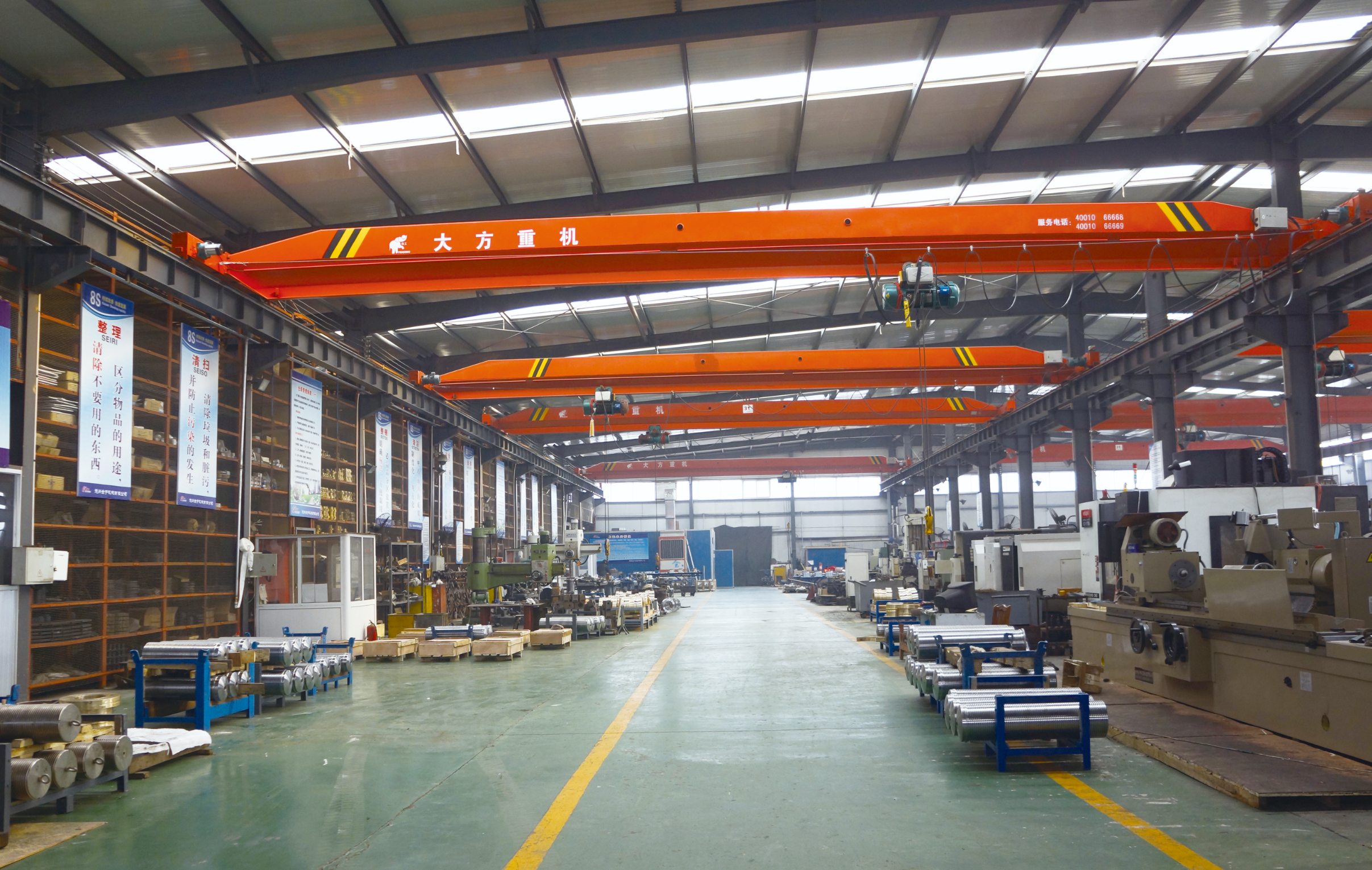
Screw jack products from JINYU suitable for linear actuator applications.
Conclusion: Making the Right Linear Actuator Decision
Choosing between a screw jack and a hydraulic cylinder is not about declaring one technology better than the other. It is about matching the actuator to the actual load, precision, duty cycle, environment, and maintenance requirements. Screw jacks, particularly the types manufactured by JINYU, offer clear benefits in precision, cleanliness, self-locking safety, and total cost of ownership for light-to-medium duty applications. Hydraulic cylinders remain relevant for ultra-heavy and impact-resistant tasks.
For buyers evaluating screw jack options, Shandong Jinyu Machinery Co., Ltd. provides a range of standard and custom screw jacks with decades of manufacturing experience. To get more detailed specifications, request a quotation, or discuss a specific application, contact the JINYU team at Josie@sdjymachinery.com or via WhatsApp at +8618963003132.
Download the JINYU product brochure for an overview of its screw jack and linear actuator range.
Have Questions or Need More Details?
Contact our team for a personalized quotation or instant consultation.
Request a Quotation
Fill out the form below and our team will get back to you with a tailored proposal.
WhatsApp Direct Chat
Prefer to chat in real-time? Message us on WhatsApp for instant assistance & quick answers.
- Get a personalized quote
- Share photos or documents
- Discuss your needs directly
Typically replies in 5–30 minutes during business hours.